
Watching, Imagining, and Knowing
The Girl on the TrainThis thread explores how characters turn partial observation into stories, and how those stories conceal as much as they reveal.
increasing Bearing strength in each event
 decreasing
Bearing strength in each eventdecreasingThe Commuter’s Frame
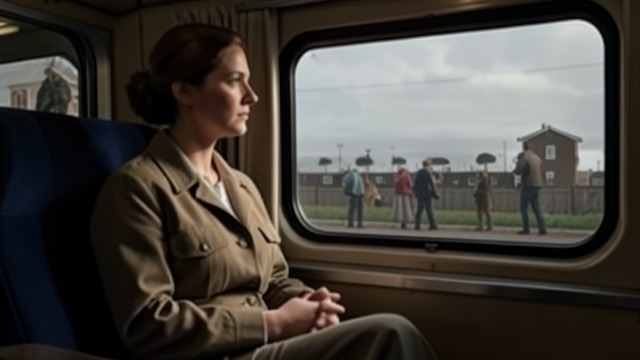
Lives Through Windows
A narrow view
Rachel watches houses from the train and imagines the private lives inside them. The moving carriage gives her a repeated but incomplete view of people who never know they are being observed.
Comfort through invention
The habit soothes her loneliness, yet replaces actual knowledge with projection. The story establishes watching as both a refuge and a source of error.
Jess and Jason
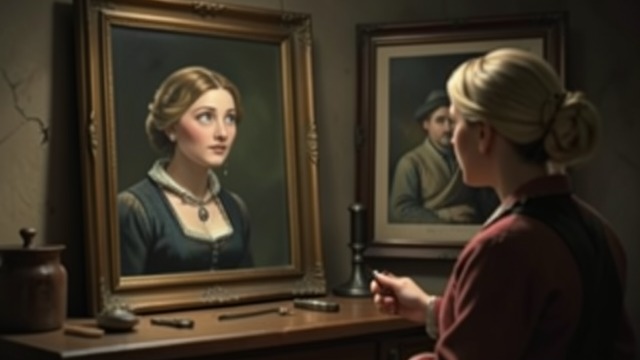
The Perfect Couple Invented
Desired domesticity
Rachel names Megan and Scott Jess and Jason, giving them admirable traits and an ideal marriage. Their imagined happiness resembles the life she wishes she had retained.
A fantasy exposed
The couple exists partly in Rachel’s mind. Once she learns Megan’s identity, the gap between observation and knowledge becomes central to how she misreads the disappearance.
The Kissing Scene

A Glimpse Recast
Betrayal projected
Rachel sees Megan kiss Kamal and responds as if a personal promise has been broken. Her reaction echoes her own experience of discovering Tom’s affair.
Evidence with limits
The sight is real, but Rachel’s interpretations of the couple’s feelings are not. The novel distinguishes what she observes from the story she builds around it.
The Houses Become a Spectacle
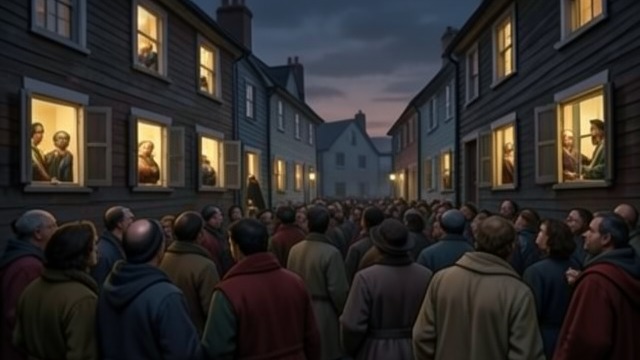
Public Looking
Private homes exposed
After Tom’s death, the houses at 15 and 23 Blenheim Road become attractions for curious outsiders. The same windows Rachel once watched now invite a public gaze.
No complete account
Visitors can inspect the rooms but cannot recover the lives lived there. The scene challenges the assumption that looking closely is the same as understanding.
Seeing as Responsibility

Observation and Truth
From spectator to participant
Rachel eventually acts on a memory rather than merely watching the train pass. Her testimony helps bring Tom’s violence into view.
Humility of perspective
The story does not make Rachel’s perception flawless. It shows that truthful seeing requires checking assumptions, acknowledging uncertainty, and accepting responsibility for what one has witnessed.
Early July 2013
Before 12 July 2013
12 July 2013, morning
September 2013
Near the ending
